0+
Buildings Protected
0+
Detectors Installed
0s
Detection Time
0%
Code Compliant
Life Safety
Fire Safety & Detection Systems
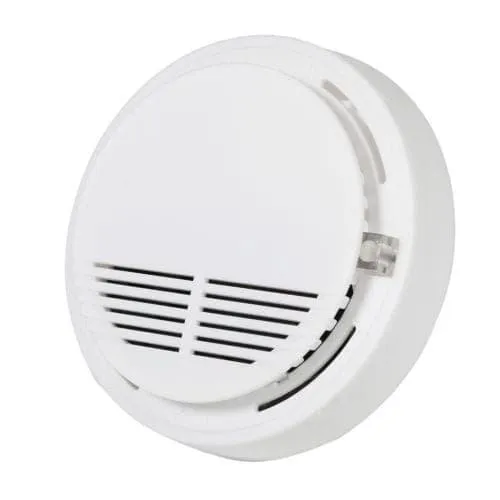
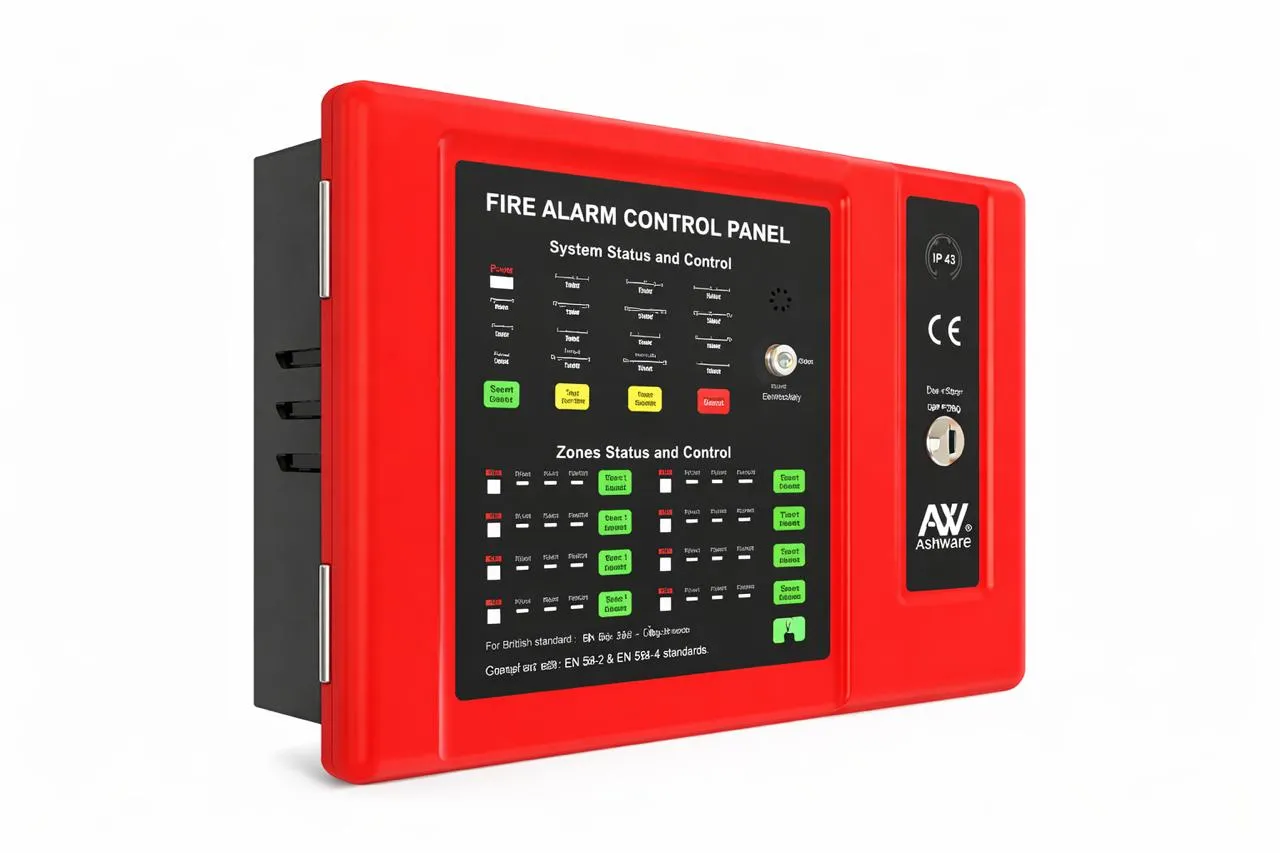
Isys designs and installs conventional and addressable fire alarm systems for buildings of all sizes. Our solutions include smoke detectors, heat sensors, manual call points, sounders, and fire alarm panels.
All installations are fully compliant with local fire safety regulations and building codes. We provide system design, installation, commissioning, and ongoing maintenance to ensure your fire detection system is always operational.
Why Fire Detection Systems Matter in Kenya
Fire outbreaks in commercial buildings, schools, hospitals, and residential properties claim lives and destroy property every year in Kenya. A professional fire alarm Kenya system provides the early warning that saves lives — detecting smoke, heat, or flames within seconds and triggering audible and visual alarms to evacuate occupants before the situation becomes critical. Kenya's building codes and county government regulations require fire detection systems in commercial premises, multi-storey buildings, schools, hospitals, and public assembly spaces.
Beyond regulatory compliance, a properly installed fire detection system Nairobi businesses need protects your most valuable assets — your people, your data, and your property. Insurance companies also increasingly require certified fire detection systems as a condition for coverage, making this both a safety and financial investment.
Fire Detection & Suppression Solutions by Isys Technologies
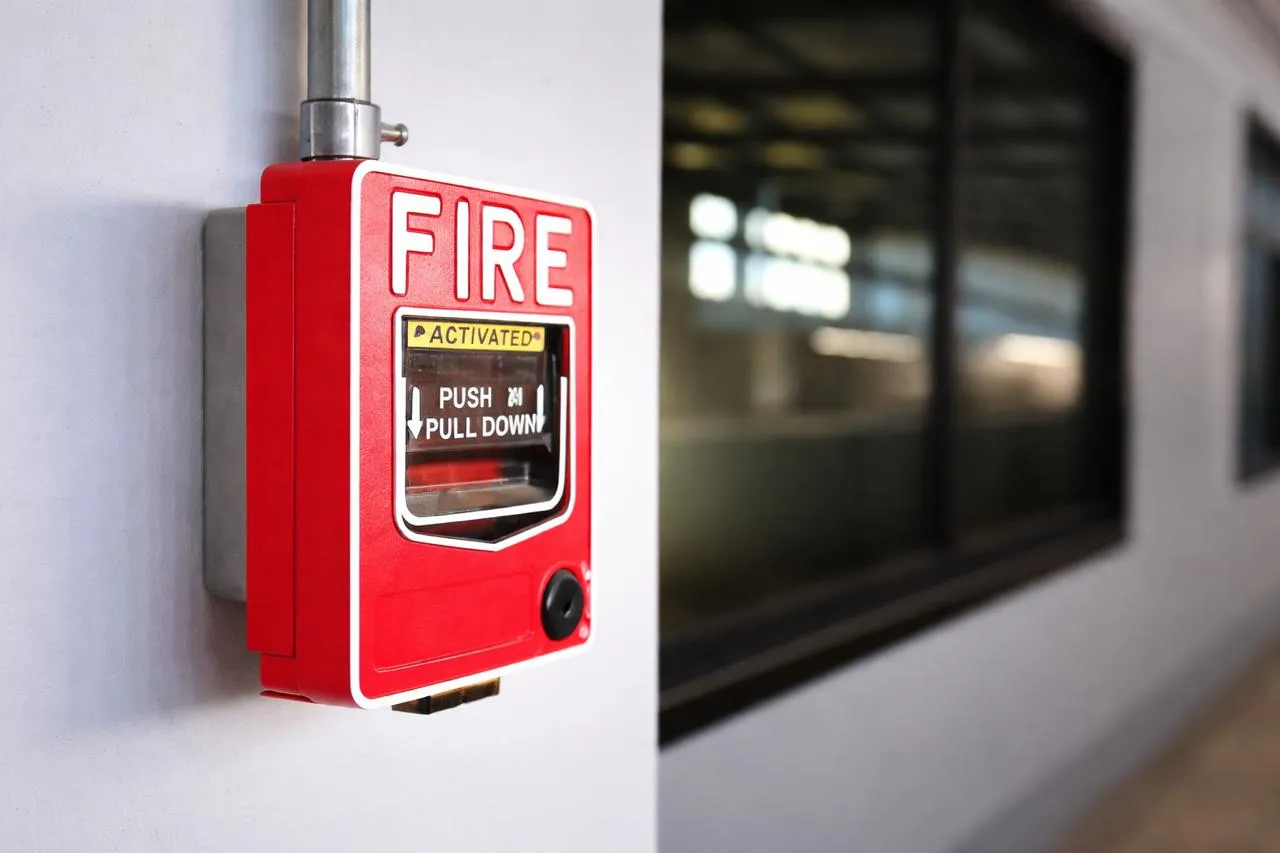
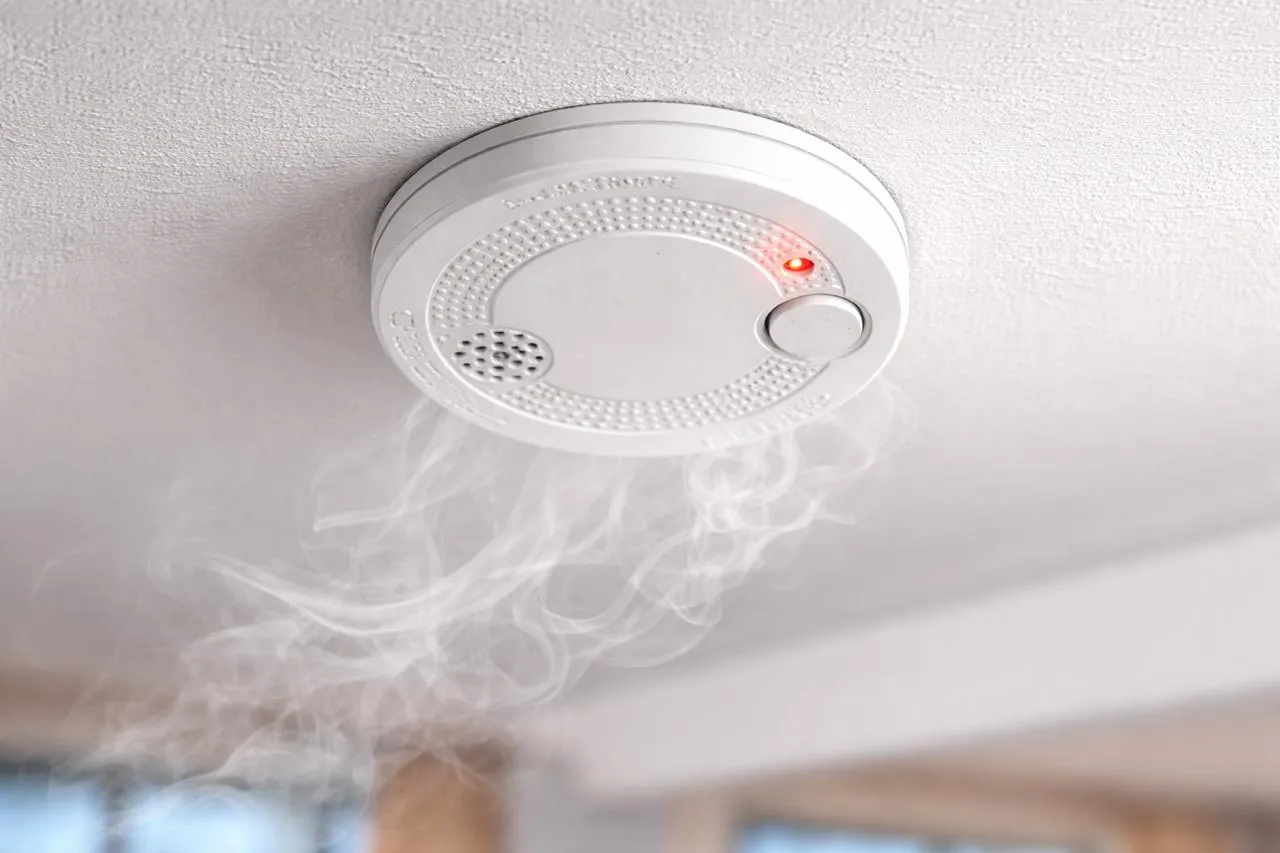
Isys Technologies designs and installs both conventional and addressable fire suppression Kenya and detection systems. Conventional systems divide your building into zones for cost-effective coverage, whilst addressable systems identify the exact detector triggered — ideal for large buildings like hospitals, office towers, and shopping malls. Our systems include photoelectric smoke detectors, heat sensors, manual call points (break glass units), sounders and strobe beacons, and fire alarm control panels with battery backup.
We also supply and install fire suppression systems including automatic sprinklers and gas suppression for server rooms. Basic conventional fire alarm systems for small offices start from KES 60,000, with addressable systems for larger buildings starting from KES 200,000. All installations include commissioning, certification, and user training. Get a free fire safety assessment.
Common Applications in Nairobi & Kenya
Why Choose Isys Technologies for Fire Safety
Isys Technologies delivers code-compliant fire detection systems designed to Kenya's building standards and county regulations. Our engineers assess your building layout, identify fire risk areas, and design a system with appropriate detector types and placement. We integrate fire detection with security alarm panels, CCTV for visual verification, and access control for automated emergency unlock. Every installation includes testing, commissioning documentation, and maintenance support.
Frequently Asked Questions
Is a fire alarm system required by law in Kenya?
Yes. Kenya's building codes and county government by-laws require fire detection and alarm systems in commercial buildings, multi-storey residential buildings, schools, hospitals, and public assembly spaces. Non-compliance can result in fines, closure orders, or denial of occupancy certificates.
What is the difference between conventional and addressable fire alarms?
Conventional systems group detectors into zones — when an alarm triggers, you know the zone but not the exact detector. Addressable systems identify the precise detector activated, making them ideal for larger buildings where quick location identification is critical. Addressable systems cost more but provide faster response times and more detailed reporting.
How often should fire detection systems be serviced?
We recommend professional inspection and testing at least every six months, with monthly visual checks by your facilities team. Isys Technologies offers annual maintenance contracts that include scheduled servicing, detector cleaning, battery replacement, and full system testing to ensure ongoing compliance and reliability.